
World Mental Health Day
-
by
TAYFFI Media
Lived Experiences Heard: Real Voices, Real Change
By Moses Karashani
For Black immigrants in Saskatchewan, including those with roots in Africa and the Caribbean, building a new life can bring pressures that are not always visible. Leaving familiar support networks, navigating unfamiliar systems and experiencing anti-Black racism can affect mental well-being. Yet stigma can make these experiences difficult to discuss.
World Mental Health Day, observed on October 10, offers an opportunity to listen and respond. The 2026 theme, “Lived Experiences Heard: Real Voices, Real Change,” calls for people with lived experience of mental health conditions to help shape the services and decisions that affect them. [1] For Truly Alive Youth and Family Foundation Inc. (TAYFFI), this means recognizing the experiences of Black individuals and families in Saskatchewan and supporting access to culturally responsive care.
The Silence We Carry
For some people in African and Caribbean communities, admitting that they are struggling can feel like admitting weakness or bringing shame upon their family. These attitudes vary across communities and individuals. Aimé Kiangala, a volunteer at TAYFFI, describes one perception: “Having a mental health problem is synonymous with being a weak person, without hope, even crazy.” [2]
Research involving racialized newcomers in Saskatchewan highlights how cultural understandings of mental illness, spiritual beliefs and concerns about family reputation can influence whether people seek help. [3] For Black men, expectations to appear strong and self-sufficient may add another barrier to speaking openly.
National findings show gaps in access to support. The Mental Health Commission of Canada reports that, between 2001 and 2014, 38.3% of Black Canadian residents who rated their mental health as poor or fair used mental health services, compared with 50.8% of White Canadian residents. [4] A 2026 report from GreenShield and Mental Health Research Canada found that racialized young men were less likely than non-racialized young men to turn to family and friends (54%, compared with 68%) and more likely to speak to no one about their concerns (29%, compared with 15%). [5] These national findings provide context; they do not measure the experiences of Black immigrants in Saskatchewan specifically.
The Weight of Arrival
For Black immigrants arriving in Saskatchewan, isolation, language barriers and difficulty finding culturally appropriate services can make seeking support harder.
Melchior Niyonkuru, Executive Director of the Communauté des Africains francophones de la Saskatchewan, recalls his own arrival: “The day I landed here in Canada, I found myself in an unknown environment. I was in a small circle of friends. I did not have many people to talk to.” [2]
In a predominantly English-speaking province, finding mental health support in French or another familiar language can be a concern. Language access matters because people need to be able to describe their experiences and understand the support available to them.
Language is only part of the picture. People also need care that recognizes how racism, cultural adjustment and changes in family and social relationships may affect their well-being. Research in Saskatchewan identifies stigma, discrimination and a lack of culturally tailored services among the barriers racialized newcomer youth face. [3]
When Voices Are Heard Change Begins
As a Black-led, Black-serving and Black-focused charity, TAYFFI provides culturally responsive mental health counselling for Black individuals and families in Saskatchewan. Its work recognizes the importance of support that respects each person’s cultural identity and lived experiences.
Anthony Olusola, Executive Director of TAYFFI, explains:
“For many Black individuals, seeking mental health support can be difficult when their cultural experiences are misunderstood or their trust in service providers is lacking. At TAYFFI, we recognize that effective care must respect each person’s cultural identity and lived experiences. Our goal is to create a supportive environment where Black individuals and families feel understood, respected and safe seeking the help they need.”
TAYFFI is seeing more young people refer themselves to its counselling program, suggesting a growing willingness to seek support. Culturally responsive services can help young people feel that their identities and experiences are respected. Supporting a young person can also create opportunities to address the needs of the wider family.
Real Change Requires Real Commitment
Reducing stigma and improving access require continued action. Mental health services need to respect cultural contexts, spiritual beliefs and lived experiences, while recognizing that needs differ within Black immigrant communities.
Community organizations, faith leaders and families can help people feel more comfortable discussing mental health and finding support. Service providers also need to address language barriers, strengthen cultural understanding and improve access to Black mental health professionals.
People with lived experience should have a role in designing these supports. A University of Saskatchewan-led study developed a mental health workbook with racialized newcomers and found that participants reported benefits such as better understanding of mental health and validation of their experiences. [3] This approach reflects the theme of listening to people and using what they share to guide action.
What You Can Do
If you are a Black immigrant experiencing mental health challenges, you deserve support that respects your experiences. This includes men who may feel pressure to manage everything alone. Seeking help is a step toward caring for yourself and your family.
If you are a friend, community member or faith leader, make room for honest conversations. Ask how someone is doing, listen without judgement and help them connect with support when they are ready.
As we mark World Mental Health Day, TAYFFI encourages our community to keep these conversations going throughout the year. Listening matters when it helps people feel heard and makes it easier to seek the care they need.
Where to Find Support
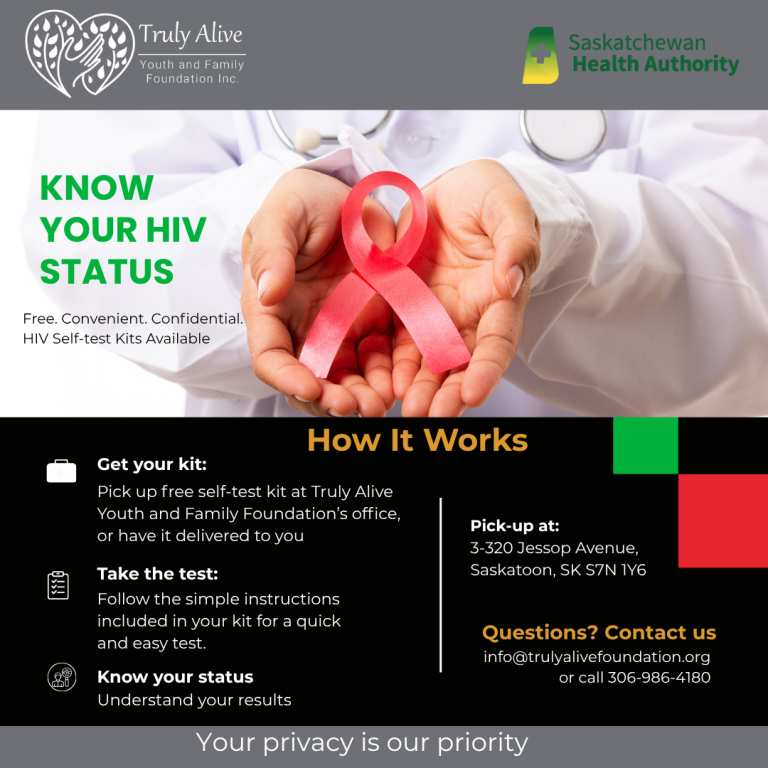
To learn about TAYFFI’s mental health counselling or access support, contact the office:
TAYFFI Office
3-320 Jessop Avenue, Saskatoon, SK
Phone: 306-986-4180
Email: info@trulyalivefoundation.org
Office hours: Monday–Friday, 9:00 a.m.–5:00 p.m.; Saturday, 10:00 a.m.–4:00 p.m.
Upcoming Webinar
TAYFFI’s upcoming webinar, Immigrant Mental Health & Parenting in Saskatchewan, continues this conversation with culturally informed insights on parenting, mental health and family well-being. It is intended for Black community members in Saskatchewan.
Presenter: Dr. Geoffrey Maina, University of Saskatchewan College of Nursing
Date: Friday, October 16, 2026
Time: 6:00–6:45 p.m. Saskatchewan time
Location: Zoom
References
1. World Health Organization. World Mental Health Day 2026. Read source
2. Radio-Canada. « Sois un homme » : le cri du cœur des hommes qui souffrent en silence. Read source
3. Maina G, Valez C, Kwame A, Onyeniyona P, Muriithi M, Maroof R. Creating an Empirically Informed Mental Health Workbook for Racialised Newcomer Youth in Saskatchewan: Community-Based Participatory Action Research. International Journal of Mental Health Nursing. 2025;34(4):e70100. Read source
4. Mental Health Commission of Canada. Shining a Light on Mental Health in Black Communities. February 12, 2021. Read source
5. GreenShield. Nearly half of young men disengage from mental health care before their needs are met, new report finds. June 10, 2026. Read source
Webinar information and registration: