TAYFFI Voices to Action Youth Leadership Trip: From Ideas to Action
-
by
TAYFFI Media
“What would your ideal community look like?”
For participants in the Voices to Action Program, this question became more than an icebreaker. It became an invitation to imagine, create, speak up, and think about the role each of us can play in shaping the communities we want to live in.
Voices to Action is a youth program by Truly Alive Youth and Family Foundation Inc. (TAYFFI), designed for young people ages 16–25. The program helps participants move beyond conversations about social issues and engage with civic life through leadership, advocacy, community involvement and opportunities to turn their ideas into action.
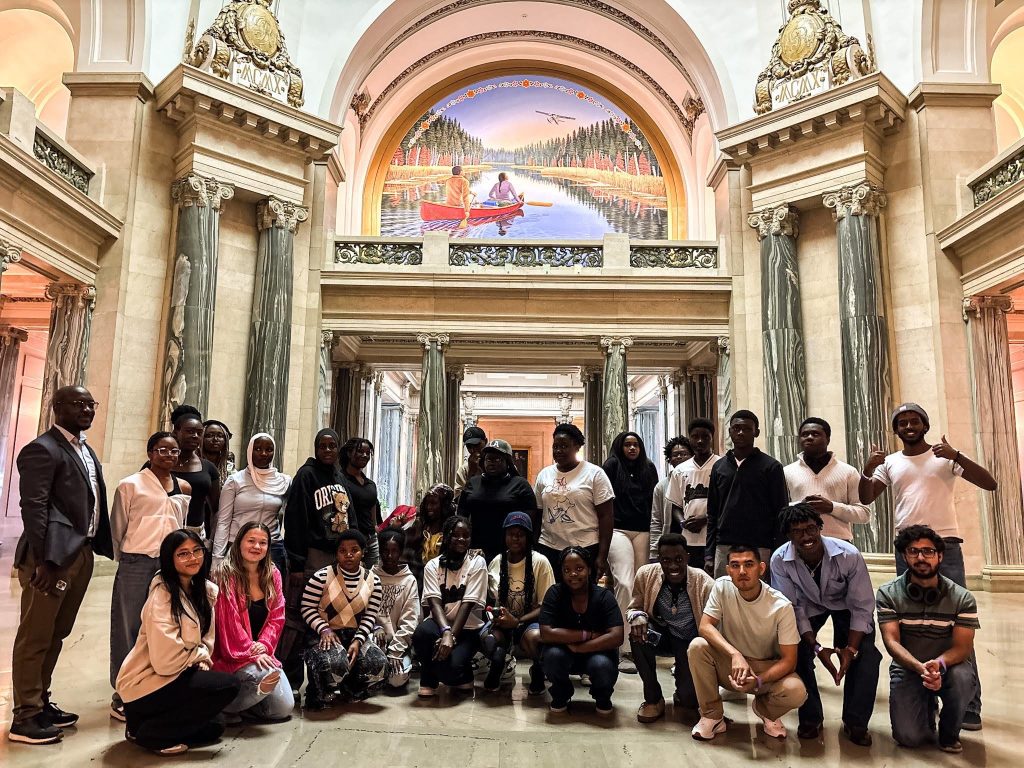
On a summer morning in August, participants travelled from Saskatoon to Regina for a day of leadership, civic engagement, storytelling, youth advocacy, and learning. The Action Trip brought together young people for an opportunity to learn from community and public service leaders, connect with youth advocates, and experience Saskatchewan’s democratic institutions firsthand. The young people arrived in Regina ready for a full afternoon of learning and exploration.
Imagining the Community We Want
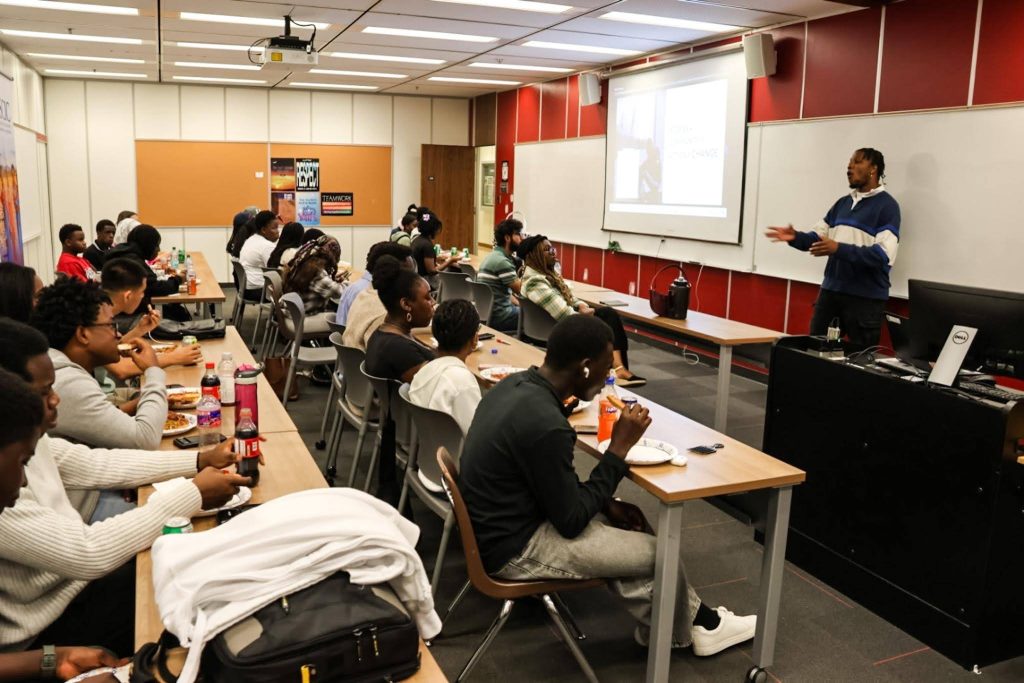
The first session, on Leadership and Civic Engagement, was facilitated by Emmanuel Amegbe, Senior Strategic Advisor with the Saskatchewan Public Service Commission.
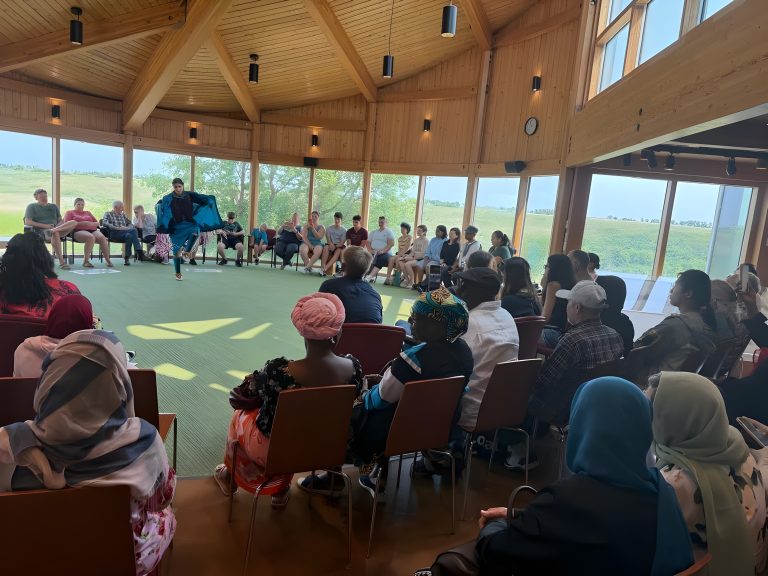
Rather than beginning with a traditional presentation, Emmanuel started with an engaging icebreaker that encouraged participants to think creatively. Dividing the participants into groups, he asked them to imagine an ideal community and posed the following questions:
- What would it look like?
- What facilities would it have?
- What services would people need?
- What would make it a safe, inclusive, and welcoming place to live?
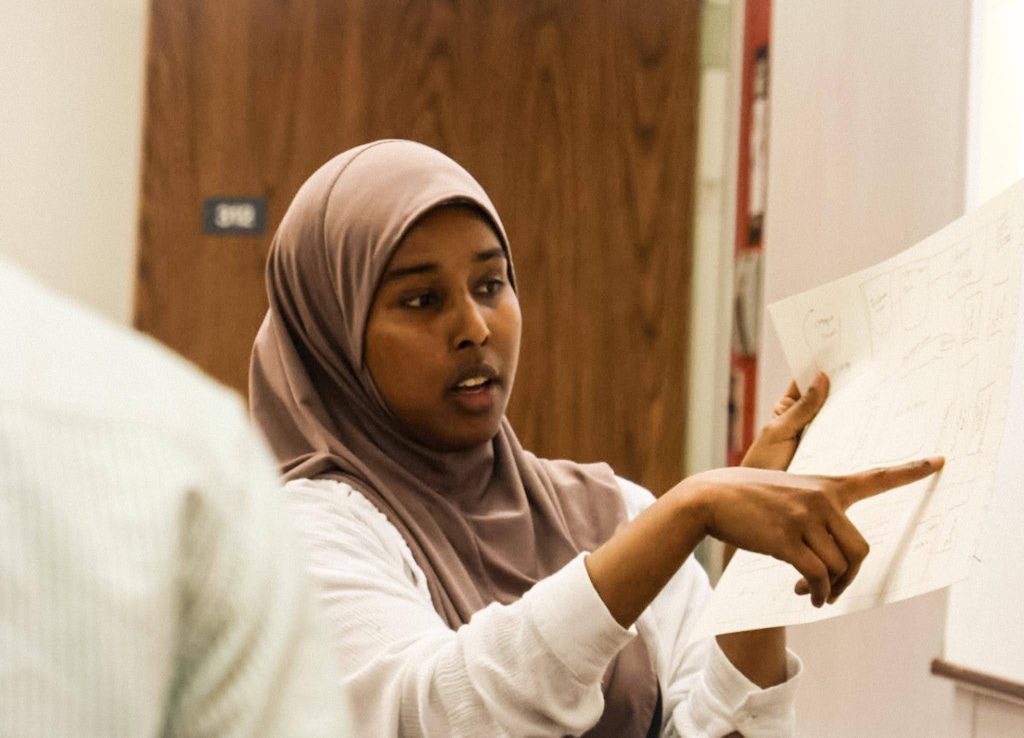
With drawing books in hand, the groups mapped out their ideas, bringing their imagined communities to life through drawings, discussion, and teamwork. The activity encouraged them to look beyond what currently exists and think about what could be possible when people work together to create positive change. The conversation then transitioned naturally into leadership and the qualities young people could start building on.
“I encourage you to build on the four of the six leadership styles which include; Directive, Visionary, Affiliative, Participative, Pace setting and Coaching,” said Emmanuel.
The discussion also highlighted the importance of communication, collaboration, responsibility, initiative, and the willingness to contribute to the community.
They discovered that leadership is not simply about holding a title. It is also about having the courage to identify a need, bring people together, and take the necessary action.
Finding Your Voice Through Storytelling
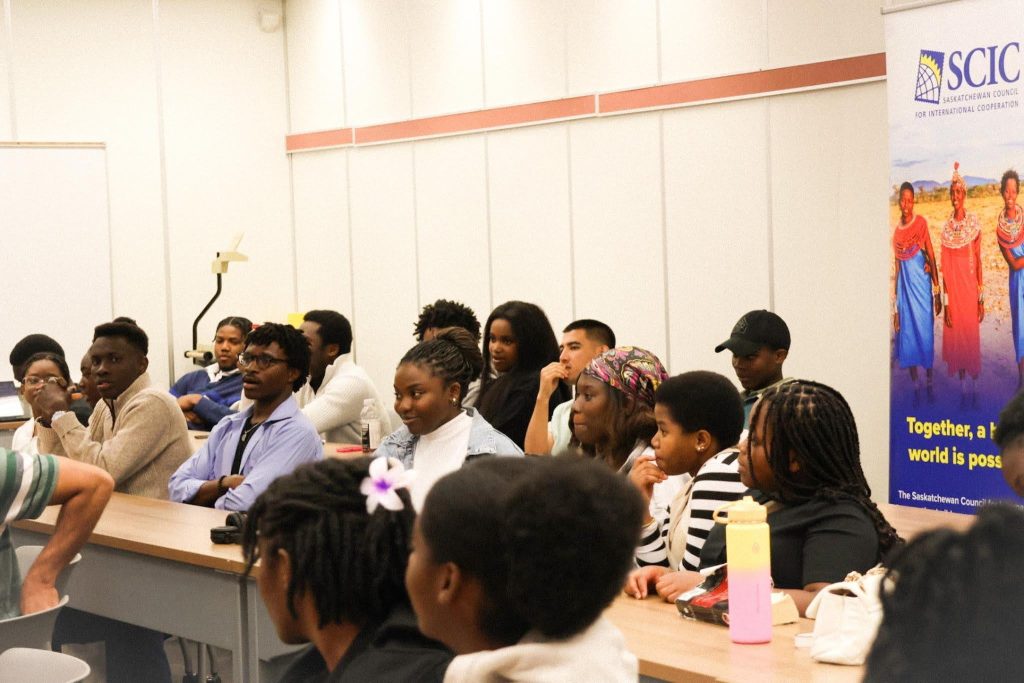
The afternoon continued with an interactive session facilitated by Oluwabukunmi Fatimehin and Aniasonwa Ebuka Favour, youth advocates connected with the Saskatchewan Council for International Cooperation (SCIC). The focus was storytelling, but not simply for entertainment.
“What makes a story meaningful and effective? A powerful story should have clarity, relatability, emotion, purpose, and authenticity,” remarked Oluwabukunmi.
Through discussion and interaction, the facilitators demonstrated how stories can help people communicate their experiences, connect with others, and draw attention to issues that matter. The conversation also opened the door to youth advocacy. For young people, advocacy can sometimes sound like something reserved for experts, professionals or people with official titles. The session brought it closer to everyday life.
“You do not have to know everything. You do not have to be an expert. Sometimes, advocacy begins simply by sharing your experience, asking questions, speaking up about an issue, or encouraging others to take action,” said Favour.
For the young people on the trip, the message was simple: your voice has value, and your story can be a tool for change.
A Visit to Saskatchewan’s Legislative Building
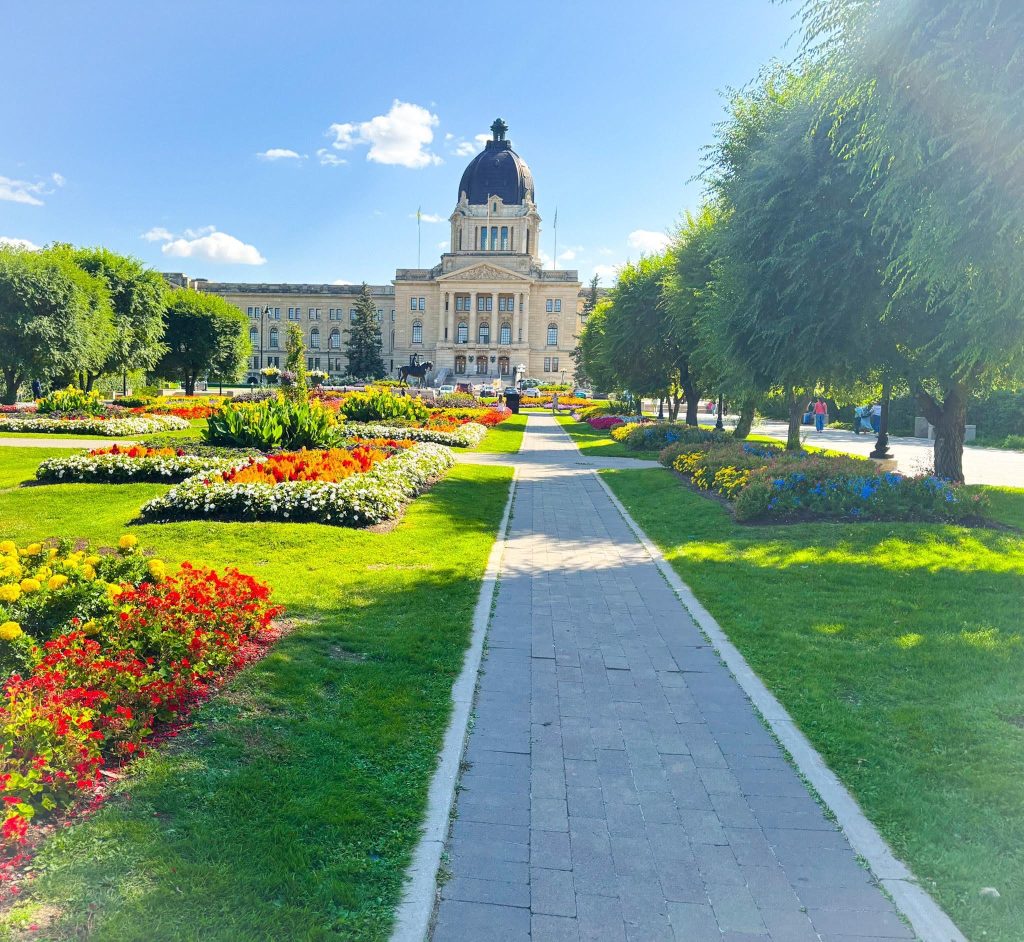
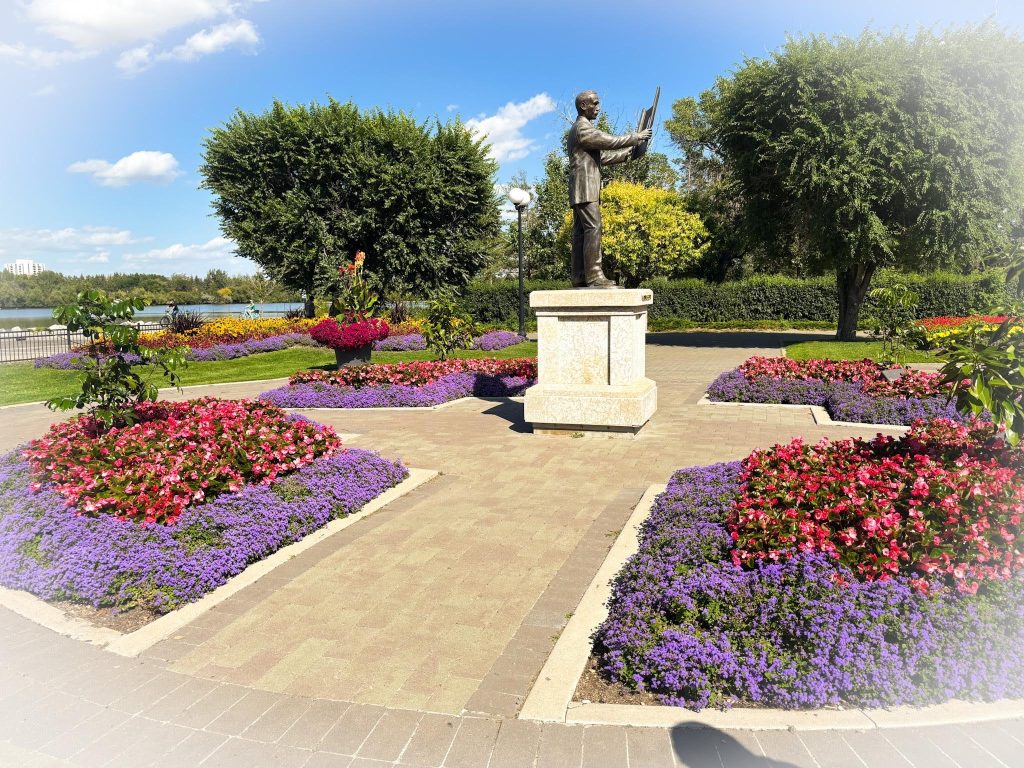
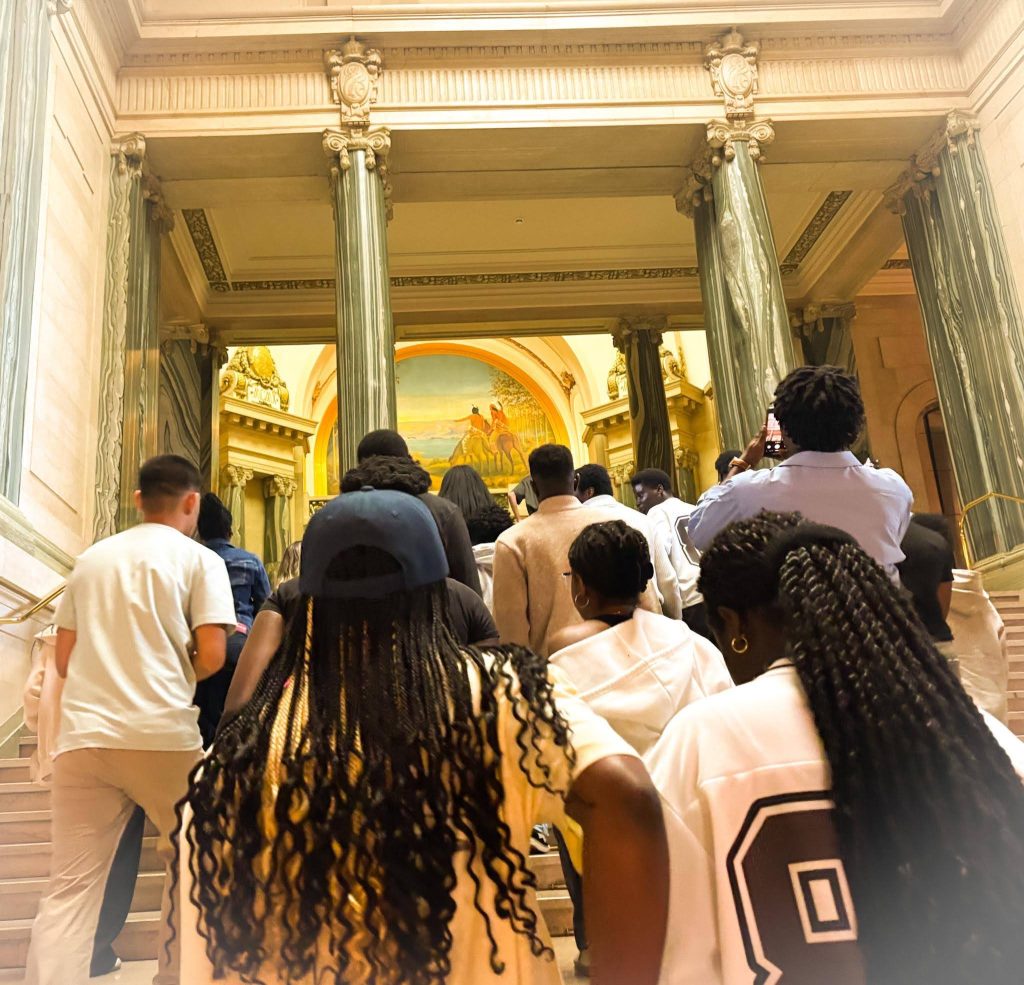
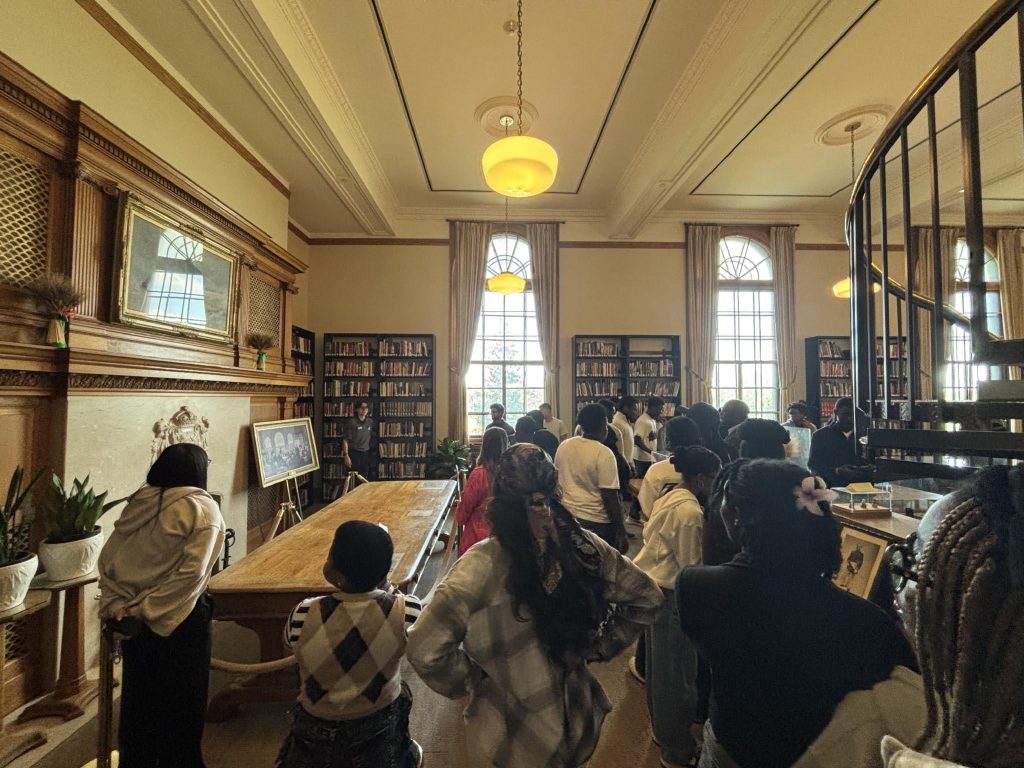
Later, the youths visited the Saskatchewan Legislative Building for a guided tour. The 30-minute excursion provided an opportunity to step inside one of the province’s most significant democratic institutions and learn more about its history, architecture, and role in Saskatchewan’s government. They had spent the day discussing leadership, civic engagement, advocacy, and the importance of having a voice in the community. Finally, they got a chance to see where many of the province’s public decisions and democratic processes happen, summing up the day’s conversations about leadership and participation in a real-world setting.
From Ideas to Action
The trip was much more than an ordinary visit to Regina. In the end, the young people reflected on the communities they would like to live in, talked about leadership, explored the power of storytelling, learned that advocacy can begin with something as simple as speaking up, and stepped inside Saskatchewan’s Legislative Building. They had also spent the day drawing, discussing, asking questions, meeting new people and learning together. The learning did not end with the trip. In the feedback shared, one comment captured the experience in the young person’s own words:
“I learnt that i need to be aware of my community and to take action in my community.”
Others wanted future conversations to explore youth opportunities, education, jobs, community involvement, personality types and community leadership.
TAYFFI extends its sincere appreciation to Emmanuel Amegbe, Bukunmi, and Ebuka Favour for sharing their knowledge, experiences, and perspectives with the participants. Also, the Saskatchewan Council for International Cooperation (SCIC) for supporting the Regina visit and creating opportunities for youth engagement and networking.
Special thanks to our youth who participated in the trip with openness, curiosity and enthusiasm. Your drawings, questions, stories, and conversations were a reminder that building stronger communities begins with people who are willing to imagine something better- and then find their voice to help make it happen.
“The journey from ideas to action starts with a voice. And in Regina, those voices were heard.”
By